Blue Zones Exploration
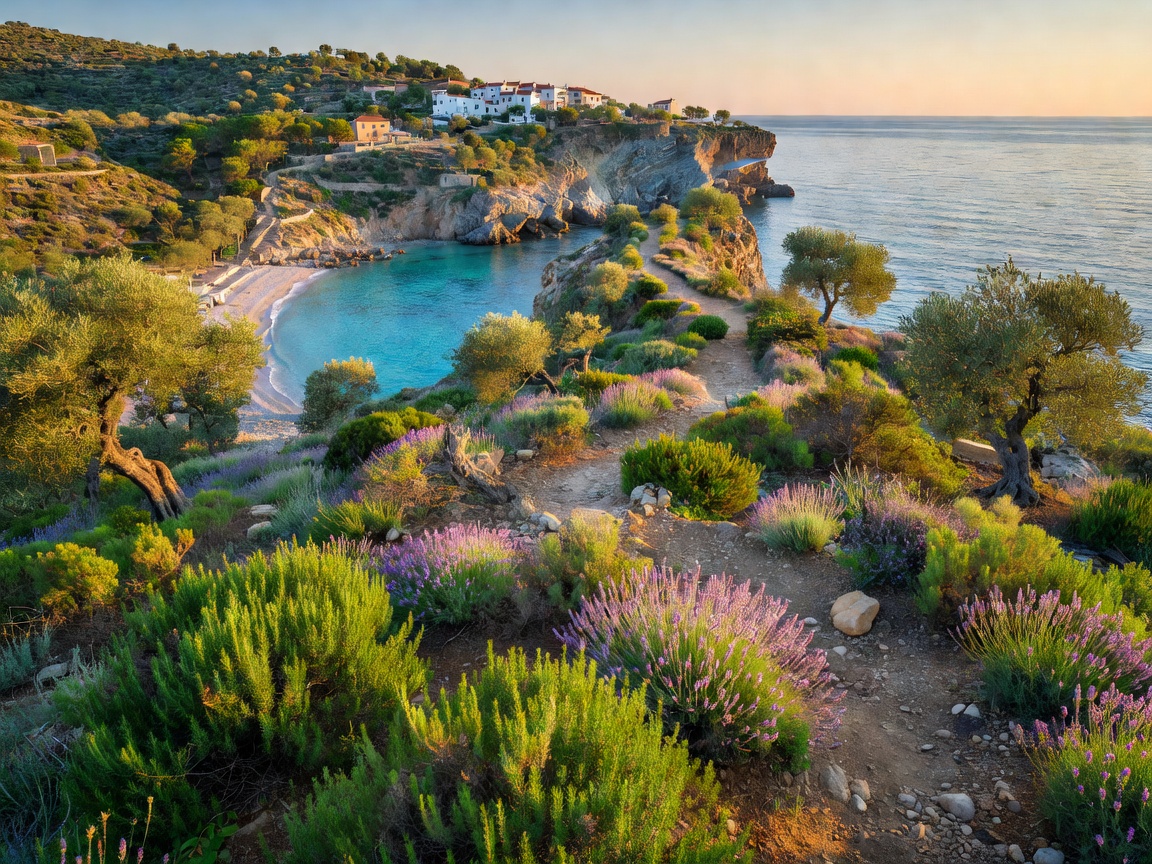
The concept of "Blue Zones" refers to distinct geographical regions where populations exhibit extraordinary longevity, frequently living past 100 years in good health without the chronic diseases that plague modern societies. Travelling to these regions is not merely a vacation—it is an anthropological expedition into the practical application of lifestyle-based longevity.
The Philosophy of Regional Longevity
While advanced medical interventions focus on cellular repair and diagnostics, Blue Zone travel focuses on environmental architecture and sociological determinants of health. The premise is straightforward: by embedding yourself in a culture naturally conducive to extreme longevity, you can adopt habits organically rather than relying on strict, willpower-dependent dietary regimes.
These regions share a series of common denominators, often termed the "Power 9". These include natural, constant movement (as opposed to gym-based intense exercise), a strong sense of purpose, stress-shedding daily rituals, the "80% rule" of calorie restriction, a predominantly plant-based diet, moderate wine consumption, faith-based or community participation, prioritizing family, and being surrounded by supportive social circles.
Prominent Blue Zone Destinations
Okinawa, Japan
Historically home to the world's longest-lived women, Okinawa is famous for the concept of *Ikigai* (a reason for being) and *Moai* (secure social networks). Travel here often involves culinary tours focusing on purple sweet potatoes, goya (bitter melon), and turmeric. Visitors can engage with local elders, participate in traditional farming, and learn the practice of *Hara Hachi Bu*—eating until you are 80% full.
Sardinia, Italy (Nuoro Province)
The mountainous highlands of Sardinia house a massive concentration of male centenarians. The terrain necessitates constant physical exertion, which naturally bolsters cardiovascular health. A longevity trip to Sardinia usually features rugged hiking, consumption of Cannonau wine (which boasts two to three times the level of artery-scrubbing flavonoids compared to other wines), and learning how to prepare traditional sourdough bread.
Nicoya Peninsula, Costa Rica
Nicoyans possess the lowest rate of middle-age mortality in the world. Their "Plan de Vida" (reason to live) fuels a positive outlook on aging. Travel itineraries here focus on outdoor living, high-calcium water sources that strengthen bones, and a diet rich in squash, corn, and beans. The warm climate and relaxed pace provide an ideal setting for cardiovascular recovery.
Pros and Cons of Blue Zone Travel
| Advantages | Limitations |
|---|---|
| Provides actionable, low-cost lifestyle habits. | Lacks precise medical diagnostics or biomarker tracking. |
| High cultural immersion and stress reduction. | Habits can be difficult to maintain upon returning to a modern urban environment. |
| Focuses on psychological well-being and community. | Modernization is slowly eroding traditional practices in some of these zones. |
| Dietary shifts are experienced organically. | Travel infrastructure in remote Blue Zones can be rudimentary. |
What to Expect on a Blue Zone Expedition
A true Blue Zone experience differs substantially from a typical luxury retreat. You will likely stay in simpler accommodations—frequently agriturismos (farm stays) or family-run guesthouses. The daily rhythm is dictated by the sun and local agricultural practices.
The typical dietary composition in traditional Blue Zone populations, focusing heavily on legumes, whole grains, and local vegetables.
Travellers should prepare for extensive walking on uneven terrain, particularly in places like Sardinia and Ikaria, Greece. Culinary experiences will rarely involve fine dining in the modern sense; instead, they focus on hyper-local, seasonally appropriate ingredients prepared using generational recipes.
Integrating the Experience
The ultimate goal of visiting a Blue Zone is integration. Observers note that while genetic factors play a minor role (roughly 20-30%) in human lifespan, the remaining 70-80% is dictated by lifestyle and environment. By stepping into these environments, you gain a visceral understanding of how minor, consistent environmental cues—like walking to the market, gardening, and prioritizing communal meals—compound over decades to produce exceptional healthspan.